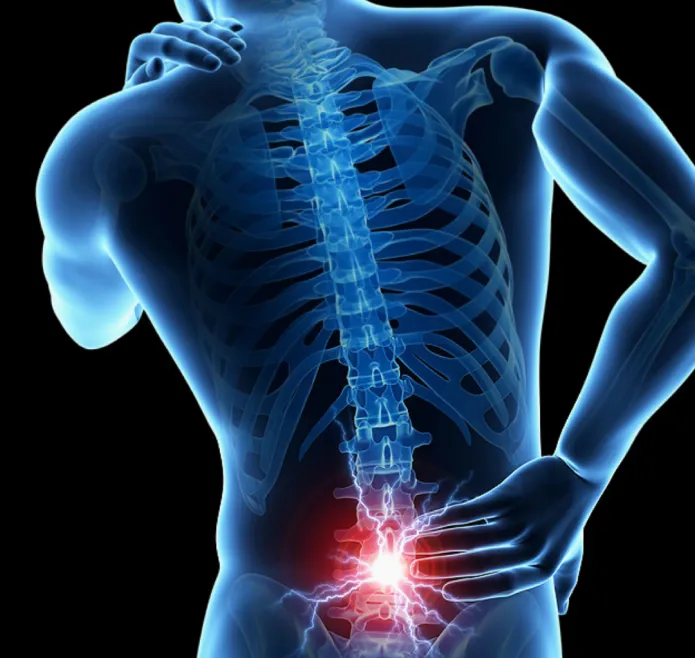

What is a Vertebral Compression Fracture?
A vertebral compression fracture occurs when one of the bones in the spine weakens and collapses. These fractures are most commonly associated with osteoporosis, trauma, or spinal degeneration, but may also develop as a result of cancer or long-term stress on the spine. Compression fractures frequently affect the mid and lower back and can cause sudden, sharp pain that worsens with standing, walking, or movement.
As the vertebra collapses, the spine may begin to shift forward, causing changes in posture, reduced mobility, and chronic discomfort. Some patients experience pain that radiates into surrounding muscles due to instability and inflammation in the affected spinal joints. In more severe cases, compression fractures can place pressure on nearby nerves and contribute to numbness, weakness, or difficulty walking.
Diagnosis typically involves advanced imaging to evaluate the severity of the fracture and determine whether surrounding nerves or spinal structures are involved. Treatment focuses on stabilizing the spine, reducing inflammation, restoring mobility, and preventing additional fractures. Depending on the severity of the condition, treatment may include rehabilitation, medication management, minimally invasive procedures such as vertebroplasty, and ongoing osteoporosis care.
Note from the Doctor:
“Spinal compression fractures can significantly impact mobility, posture, and overall quality of life. Early diagnosis and treatment can help stabilize the spine, relieve pain, and reduce the risk of future complications.”