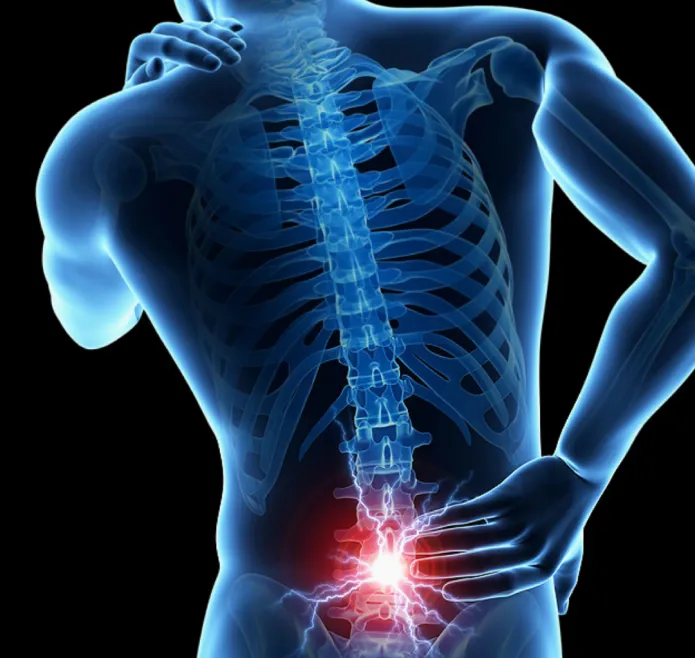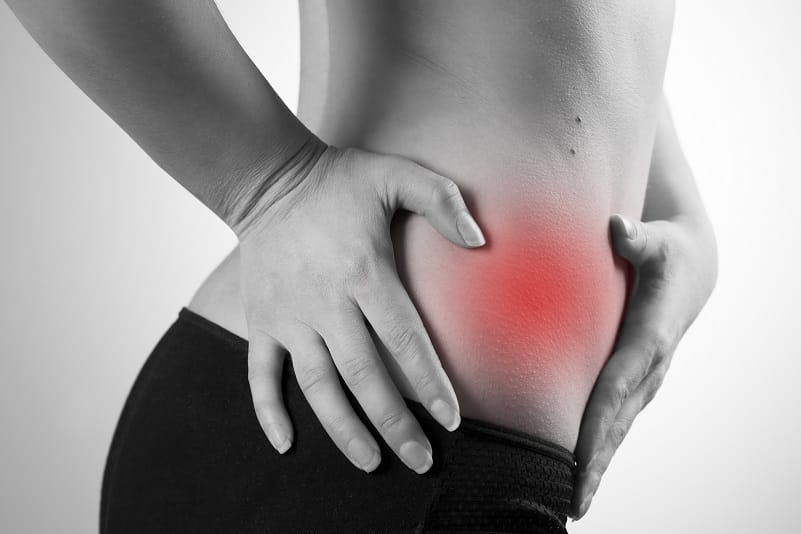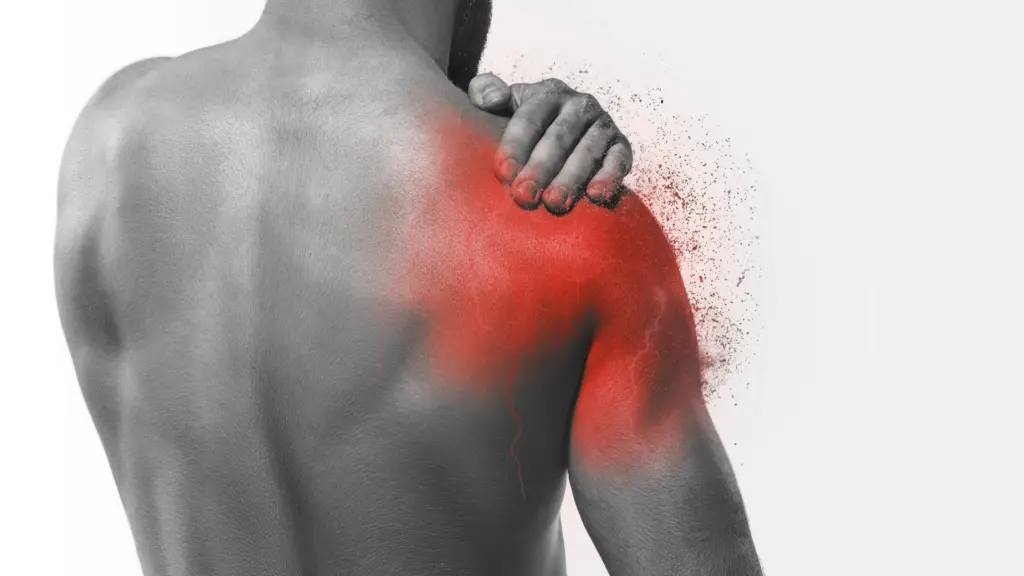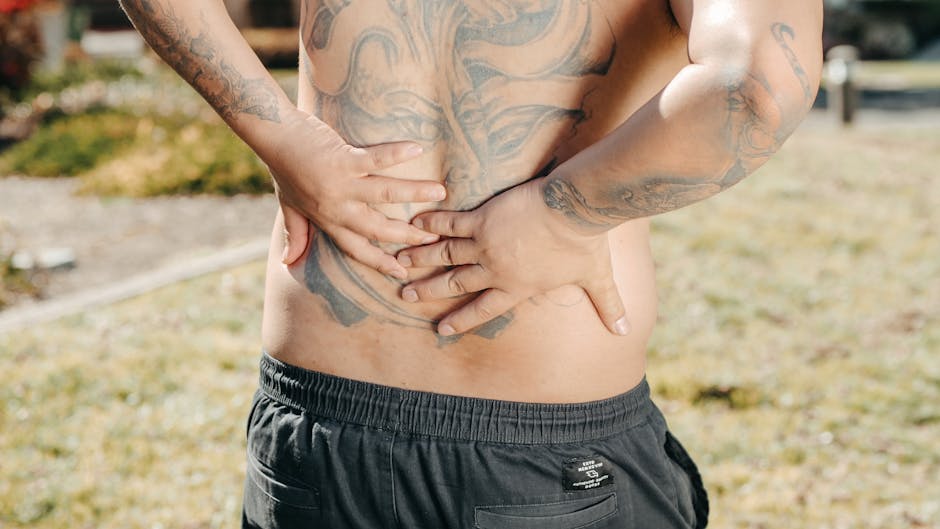

Lumbar radiculopathy, commonly referred to as sciatica, occurs when nerves in the lower spine become irritated or compressed. This condition often develops as a result of herniated discs, degenerative disc disease, spinal stenosis, or inflammation surrounding the lumbar spine. The sciatic nerve, which travels from the lower back down through the hips and legs, is commonly involved.
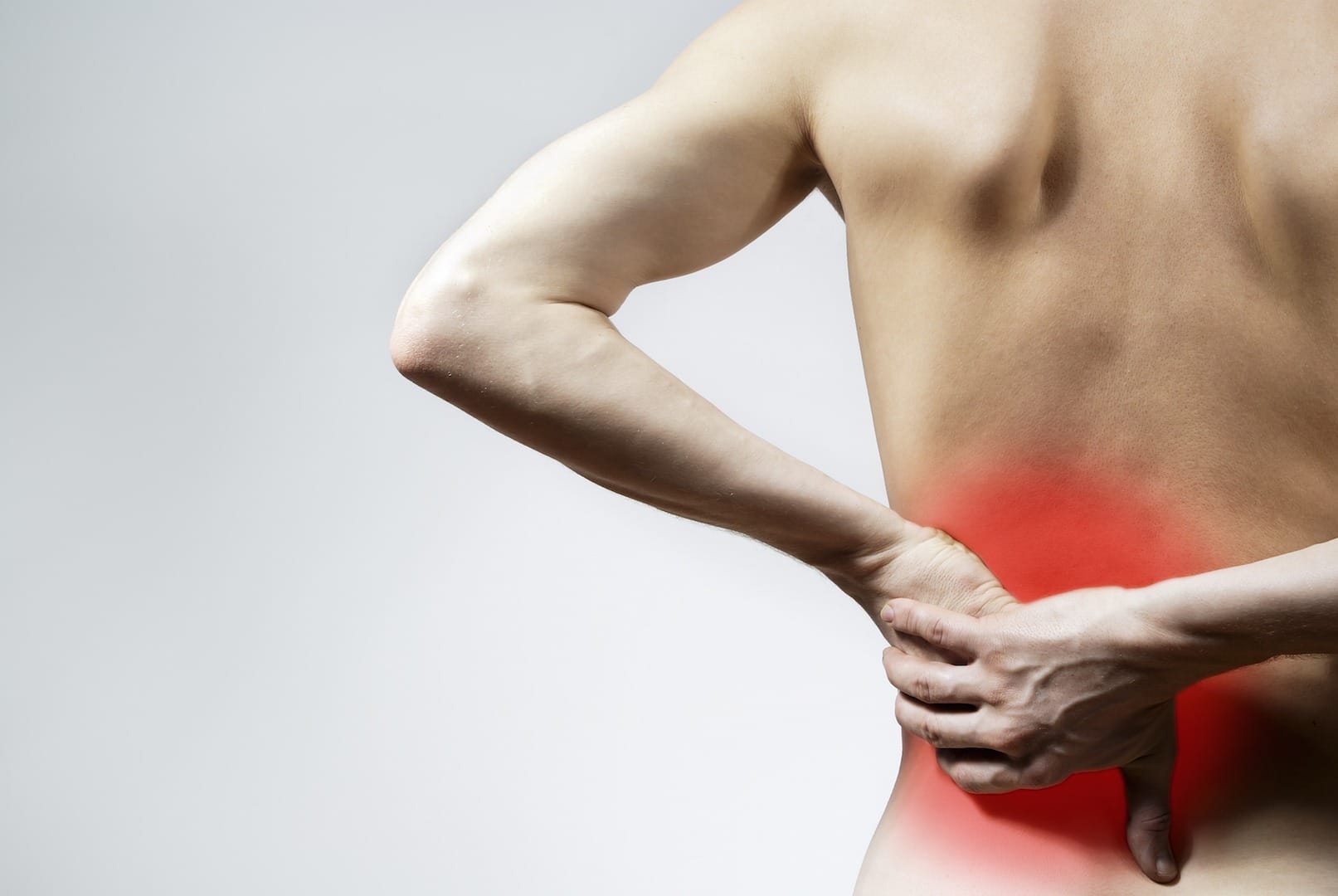
Patients with sciatica often experience sharp, burning, or radiating pain that travels from the lower back into the buttocks, hips, or legs. Some individuals may also experience numbness, tingling, muscle weakness, or difficulty standing and walking for prolonged periods. Symptoms can worsen with prolonged sitting, bending, twisting, or physical activity that places stress on the lumbar spine.
Because lumbar radiculopathy originates from nerve irritation in the lower back, treatment focuses on relieving pressure on the affected nerves while improving spinal stability and mobility. Diagnostic evaluation may include physical examination, advanced imaging, and functional assessments to identify the source of compression. Treatment options may include physical rehabilitation, anti-inflammatory therapies, nerve blocks, minimally invasive spine procedures, and other targeted pain management techniques designed to restore function and improve quality of life.
Note from the Doctor:
“Sciatica and lumbar nerve pain can make even simple daily activities uncomfortable. Our goal is to identify the source of nerve irritation and create a personalized treatment plan focused on long-term relief and improved mobility.”